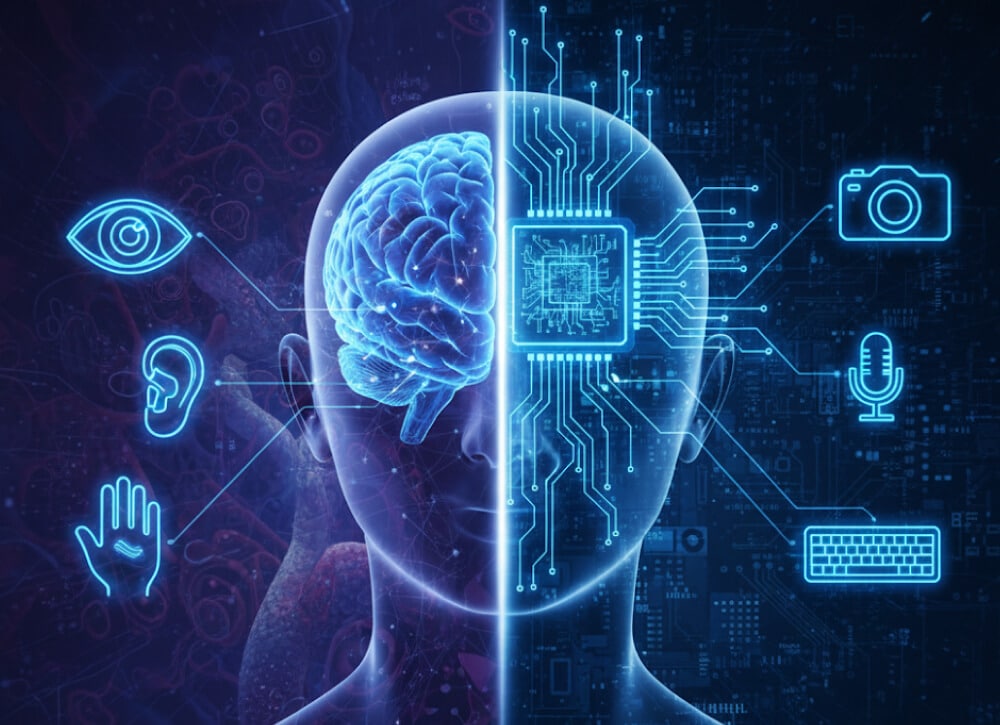
Close your eyes and think about how you recognize the smell of coffee, the sound of your best friend’s laugh, or the look of a familiar street. Our brains are constantly decoding sights, sounds, smells, and textures—translating raw sensations into meaningful experiences.
Author: Akshay Keche
Understanding Wireframes: The Foundation of UI/UX Design

When you walk into a newly constructed building, you see walls, windows, doors, and furniture all in their proper places. But long before the paint went on the walls or the furniture was arranged, an architect created a blueprint — a visual plan of what the building would look like and how it would function.
Neural Networks: The Brain Behind Modern AI
In recent years, neural networks have become a cornerstone of artificial intelligence (AI) and machine learning (ML). From powering speech recognition in your smartphone to enabling autonomous vehicles, neural networks are transforming the way machines understand and interact with the world.
How Web Development Transformed the Digital World?

Web development has undergone a seismic shift since the very first static HTML page went live in 1991. What began as a simple tool for academics has exploded into a dynamic, multi‑trillion‑dollar ecosystem powering everything from sprawling social networks to mission‑critical AI‑driven applications.
HTTPS vs WebSockets vs SSE: A Simple Guide for Mobile Apps
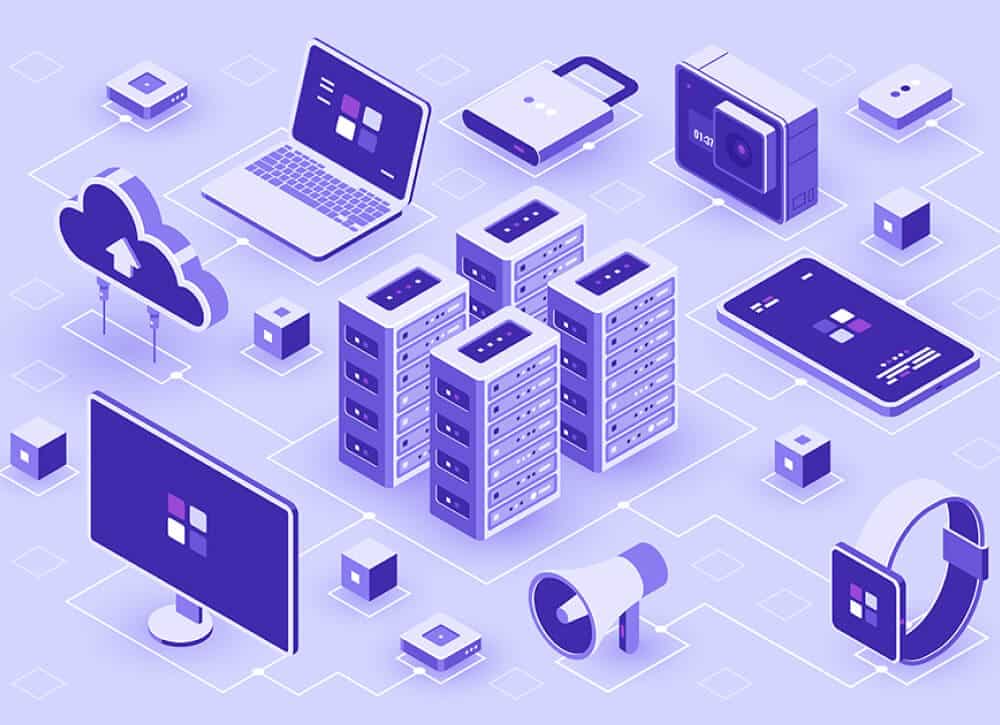
In the modern era of mobile and web app development, real-time communication is no longer just a feature—it’s an expectation. Whether it’s a chat app, a collaborative platform, or a live sports scoreboard, delivering timely and efficient communication between client and server is crucial.
AI Automation: Tools, Real-World Examples, and How It’s Transforming Workplaces

AI automation is reshaping industries at lightning speed. From chatbots handling customer support to algorithms managing entire business workflows
The Art of Clean Code: Writing for Humans, Not Just Machines
Writing code is a lot like telling a story. If it’s too complex, it confuses the reader. If it’s too slow, it loses them. It’s not enough for code to just work — it should also be easy to read, understand, and maintain.